

Waking up tired after a full night’s sleep feels confusing and frustrating. You get your seven to eight hours, yet the grogginess lingers like you barely rested at all. Feeling exhausted after a full night’s sleep often means the quality of your sleep is poor, even if the quantity seems right.
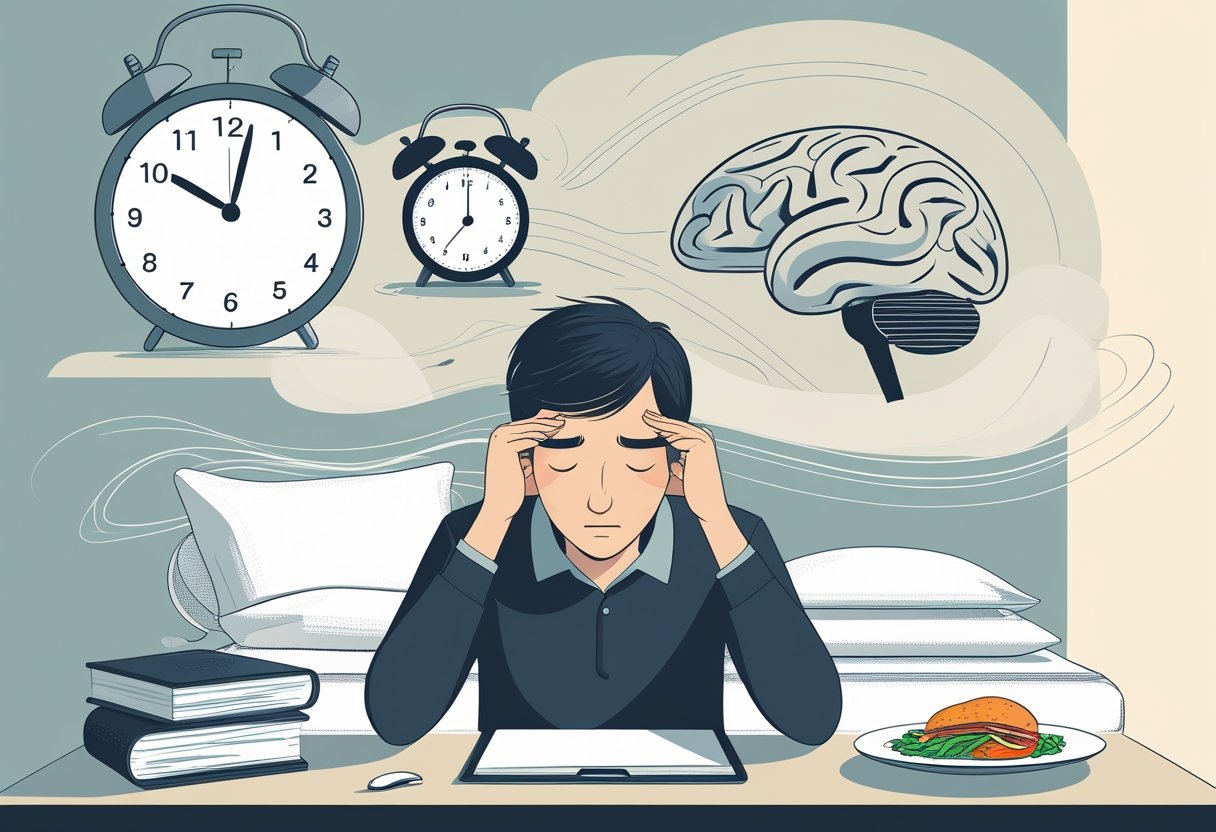
We often focus on how long we sleep instead of how well we sleep. Factors like stress, late-night screen time, alcohol, or minor health issues can quietly interrupt deep sleep without waking us fully. Over time, those small disturbances leave us feeling drained, no matter how early we go to bed.
Sometimes, real medical or lifestyle problems hide behind that constant fatigue—like sleep apnea, hormone changes, or poor nighttime habits. When we understand these causes, we can finally make changes that lead to truly refreshing rest.
Key Takeaways
- Quality of sleep matters more than total sleep hours.
- Hidden issues like sleep disorders or poor habits often cause fatigue.
- Healthy routines and medical checks can restore morning energy.
Sleep Quality vs. Sleep Quantity
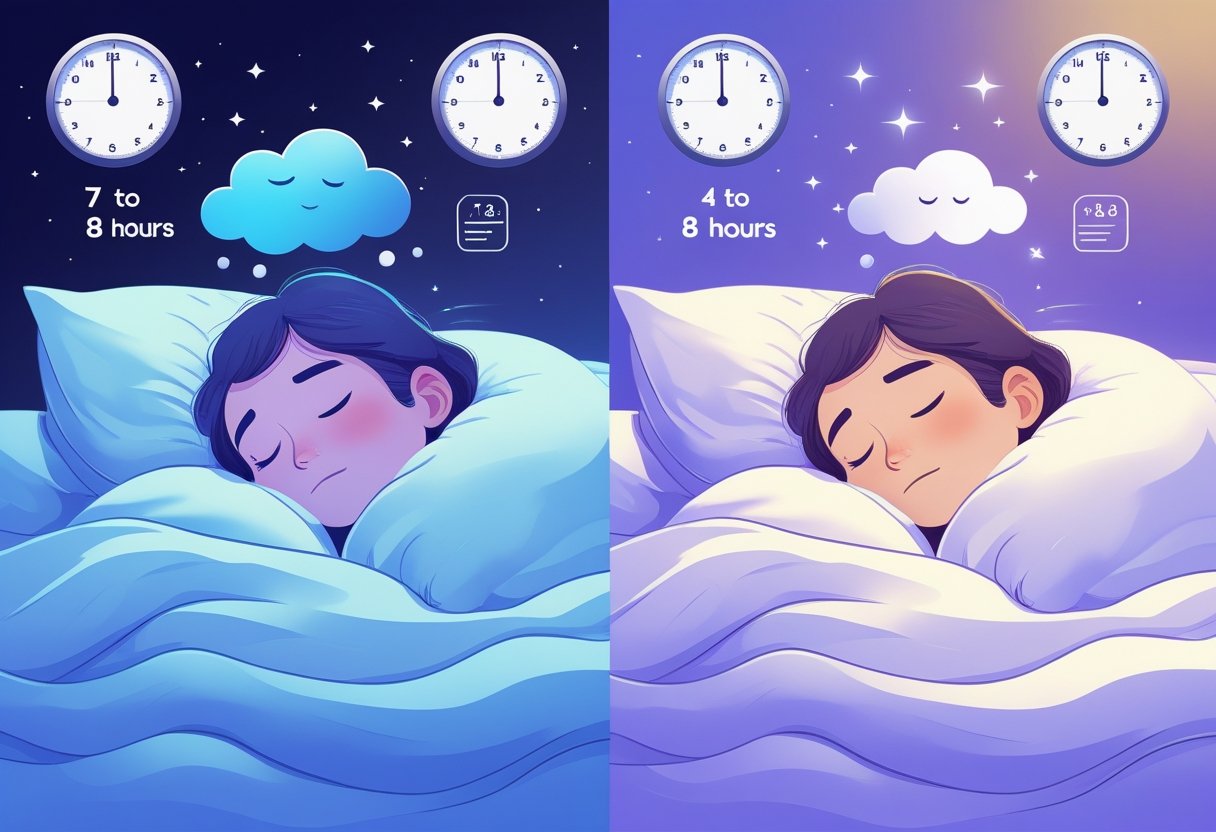
Getting enough hours of sleep doesn’t always mean we wake up refreshed. The way our brains and bodies move through each stage of rest—especially deep and REM sleep—determines how restorative that sleep really is. Subtle issues like frequent awakenings or irregular sleep patterns can reduce how well our bodies recover overnight.
The Importance of Deep and REM Sleep
Deep sleep and REM sleep each play a key role in how rested we feel. Deep sleep restores the body by repairing tissues, supporting muscle recovery, and strengthening the immune system. REM sleep focuses on the brain, helping us process memories, regulate emotions, and improve learning.
When we spend enough time in both stages, we achieve what experts call restorative sleep. This balance allows our minds and bodies to reset properly. Even with seven or eight hours in bed, missing enough deep or REM sleep can leave us foggy or fatigued.
Certain habits help increase time spent in these stages. Keeping a regular bedtime, limiting alcohol, and reducing noise all increase the chance of reaching fuller, uninterrupted sleep cycles that support physical and mental recovery.
Fragmented or Shallow Sleep
Sleep that’s frequently interrupted, or fragmented sleep, lowers its quality even when total sleep time looks adequate. Waking several times during the night prevents us from reaching deeper stages that provide true rest.
Some common causes include noise, temperature changes, stress, and medical issues like sleep apnea or restless legs. Each interruption resets our sleep cycle and reduces the time spent in deep or REM stages.
We can usually identify shallow sleep by how we feel the next day—groggy, irritable, and less focused. Using consistent sleep routines, practicing relaxation before bed, and keeping the room quiet and dark can help limit disruptions and improve sleep continuity.
Role of Sleep Stages in Restorative Sleep
Sleep follows a repeated pattern known as sleep architecture, which cycles through light sleep, deep sleep, and REM sleep every 90–120 minutes. The quality of our sleep depends on how smoothly we move through these stages.
A well-structured pattern ensures that deep and REM stages occur often enough to restore energy and support brain health. If our sleep architecture becomes irregular—due to stress, inconsistent schedules, or health problems—our rest becomes less efficient.
Improving sleep quality means protecting these cycles. Strategies such as keeping a consistent bedtime, limiting screen use before bed, and managing stress help maintain stable sleep stages and maximize overnight recovery.
Undiagnosed Sleep Disorders
Sometimes we meet the recommended seven to eight hours of sleep yet still wake up unrefreshed. This can happen when hidden sleep disorders interrupt our rest cycles, limit deep sleep, or reduce oxygen flow during the night. Identifying and treating these conditions often restores alertness and improves daytime energy.
Sleep Apnea and Snoring
Sleep apnea disrupts sleep when breathing repeatedly stops and starts. In obstructive sleep apnea (OSA), throat muscles relax and block airflow. These pauses can last several seconds and cause brief awakenings that reduce sleep quality. Snoring often accompanies the condition but not always.
Common signs include excessive daytime sleepiness, dry mouth, morning headaches, and restless sleep. Many people remain unaware of their breathing interruptions until a partner notices loud snoring or gasping.
Diagnosis typically requires a sleep study that monitors breathing, heart rate, and oxygen levels overnight. Treatment may include a CPAP machine, oral appliances, or weight management. Addressing OSA can greatly improve energy and concentration during the day.
Restless Legs Syndrome (RLS)
Restless Legs Syndrome (RLS) causes unpleasant sensations in the legs and an urge to move them, usually at night. These sensations—described as tingling, creeping, or pulling—can make it difficult to fall or stay asleep. Because it disrupts sleep stages, RLS can lead to chronic tiredness even if total sleep time seems adequate.
The condition often worsens during periods of rest or when sitting still. Moving the legs temporarily eases the discomfort but breaks the continuity of sleep.
Several factors can influence RLS, such as low iron levels, certain medications, or family history. Managing underlying causes, adopting regular sleep routines, and sometimes taking prescribed medications can help improve sleep quality and reduce fatigue.
Insomnia and Its Impact
Insomnia involves trouble falling asleep, staying asleep, or waking too early and being unable to return to sleep. It may last days or become chronic, leading to poor cognitive function and mood changes. Even with plenty of time in bed, the body fails to reach restorative sleep stages.
Stress, anxiety, depression, and inconsistent schedules often contribute to insomnia. Over time, our bodies associate bedtime with frustration and alertness, worsening the cycle.
Simple adjustments—like keeping the bedroom dark and cool, using relaxation techniques, and seeking help from a sleep specialist—can make a difference. In some cases, therapy or medication is needed to reestablish a consistent sleep pattern.
Other Common Sleep Disorders
Beyond the well-known conditions, several other sleep disorders can cause unexplained tiredness. Narcolepsy leads to sudden sleep attacks during the day due to irregular sleep cycles. Circadian rhythm disorders shift our natural sleep timing, leaving us awake when our bodies expect rest.
Parasomnias, such as sleepwalking or night terrors, disrupt deep sleep phases and can leave us feeling unrefreshed. Though less common, these issues can significantly affect our health and safety.
A professional sleep study helps identify these problems by tracking brain waves, oxygen levels, movement, and breathing patterns. Early assessment and targeted treatment allow us to regain predictable, restorative sleep.
Disrupted Circadian Rhythm and Poor Sleep Habits
When our body’s internal clock falls out of sync, even a full night’s sleep can leave us exhausted. Light exposure, meal timing, and inconsistent sleep patterns can all disrupt the circadian rhythm and alter how alert or tired we feel during the day.
Irregular Sleep Schedules and Social Jet Lag
Our circadian rhythm regulates when we feel sleepy or awake. When we constantly shift our sleep and wake times—such as staying up late on weekends and waking early for work—we create what researchers call social jet lag. This inconsistency confuses our internal clock, much like traveling across time zones.
Keeping a consistent sleep routine helps the brain anticipate rest and release melatonin, the hormone that signals sleep. Irregular schedules can delay melatonin production, making it harder to fall asleep on time and reducing sleep quality.
To improve sleep hygiene, we should maintain steady bedtimes and wake times, even on days off. Using natural light exposure in the morning and limiting naps later in the day can also strengthen the body’s regular sleep-wake cycle. Small changes in timing, practiced consistently, can restore rhythm and reduce fatigue.
Effects of Blue Light and Electronics
The light from screens—phones, TVs, and computers—emits blue light, which suppresses melatonin production. When we use devices before bed, our brains receive signals that it’s still daytime, delaying the onset of sleep. Even short exposures can interfere with the natural circadian rhythm.
We can minimize this disruption through a few simple steps:
- Limit screen use for at least one hour before bedtime.
- Use night mode or blue light filters to reduce brightness.
- Dim household lights in the evening to cue the body for rest.
Instead of scrolling through social media, reading a printed book or engaging in calm activities can help maintain a clear signal of darkness to our internal clock. Light control sets the foundation for consistent, high-quality sleep.
Sleep Inertia and Daytime Grogginess
Even after seven or eight hours of rest, many of us feel sluggish upon waking. This temporary state, called sleep inertia, happens when the brain transitions too quickly from deep sleep to wakefulness. Poor sleep routines and inconsistent schedules often make it worse.
When the circadian rhythm is off, we may wake during the wrong phase of the sleep cycle, leaving us disoriented. Morning light exposure, a steady wake-up time, and moving our bodies soon after rising can reduce these effects.
Good sleep hygiene also matters after waking. Avoiding snooze cycles, opening curtains to natural light, and keeping a regular morning routine train our bodies to align energy levels with the day’s start. Over time, these habits help ease grogginess and improve alertness throughout the day.
Physical and Mental Health Factors
Even when we get enough hours of sleep, conditions that affect our hormones, mood, or energy systems can leave us feeling drained. Ongoing stress, mood disorders, and disorders like chronic fatigue syndrome can all interfere with how our bodies recover during rest.
Chronic Stress and Cortisol Imbalance
When we experience constant stress, our body activates a “fight or flight” response. This response relies on cortisol, a stress hormone that helps us stay alert. Over time, sustained cortisol release disrupts our body’s internal clock and makes it harder to enter deep, restorative sleep.
We may fall asleep at a normal hour yet wake up with lingering fatigue because cortisol levels stay too high at night and too low in the morning. This imbalance can cause daytime tiredness, reduced focus, and irritability.
Reducing stress before bed—through relaxation exercises, limited screen time, or consistent bedtime routines—can help reset cortisol rhythm. Tracking how our body reacts to ongoing stress helps us notice changes and respond early rather than pushing through exhaustion.
Common Signs of Cortisol Imbalance
Examples
| Difficulty falling asleep | Restlessness at night |
| Morning fatigue | Hard to get out of bed |
| Energy spikes and crashes | Midday slumps or insomnia |
Anxiety and Depression
Mental health conditions such as anxiety and depression often disrupt our sleep cycles. Anxiety can cause racing thoughts or muscle tension, which delay sleep onset. Depression can trigger early waking or excessive sleep that still feels unrefreshing.
Both conditions interfere with REM sleep, the stage tied to emotional processing and recovery. As a result, we may get our recommended hours but still feel heavy and slowed during the day.
We should also remember that conditions like PTSD can raise stress hormone levels, tying emotional distress to physical tiredness. Talking to a healthcare provider or therapist helps identify whether fatigue stems from mood changes, stress, or both. Addressing underlying mental health issues often restores natural sleep patterns and lessens daytime fatigue.
Chronic Fatigue Syndrome and Persistent Fatigue
Chronic fatigue syndrome (CFS) causes extreme tiredness that doesn’t improve with rest. People with CFS can sleep long hours yet wake up feeling as if they never slept. The exact cause is uncertain, but researchers link it to immune system changes, viral infections, and hormonal irregularities.
Unlike simple tiredness from a late night, persistent fatigue from CFS can make basic tasks exhausting. Symptoms may include muscle pain, memory problems, and dizziness after minor effort. These signs indicate that the body’s energy systems aren’t recovering normally.
Because CFS overlaps with other medical issues, we should work closely with a healthcare provider for testing and support. Managing pacing, balanced nutrition, and gentle physical activity helps lessen the impact of chronic fatigue and keeps energy more stable day to day.
Underlying Medical and Nutritional Issues
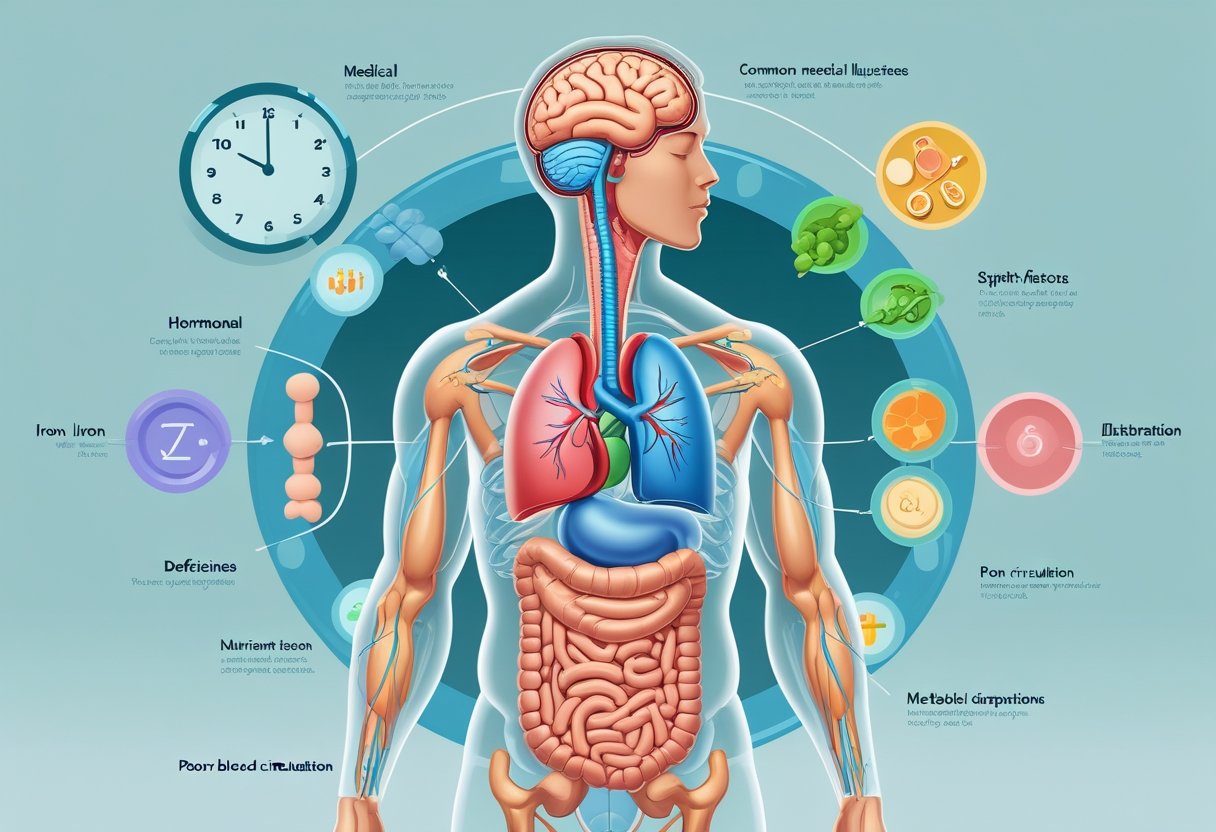
Even with enough sleep, hidden health and nutrition problems can drain our energy. These issues often disrupt how our bodies make or use hormones, nutrients, and oxygen, leaving us feeling fatigued even after full rest. Identifying and correcting these root causes can make a real difference in how we feel each day.
Thyroid Disorders and Hormonal Imbalances
Low thyroid function, or hypothyroidism, slows metabolism and causes ongoing tiredness. The thyroid controls how our cells use energy, so when it underperforms, fatigue, weight gain, and dry skin often appear together. Blood tests for TSH and thyroxine (T4) can help confirm this condition. Treatment usually includes hormone replacement that restores proper energy use.
Hormonal changes also affect sleep and alertness. Shifts during menopause, or irregularities in cortisol, insulin, or sex hormones, can make us feel sluggish. These imbalances interrupt normal sleep patterns and energy cycles. Managing hormone levels through medical guidance, balanced diet, and consistent routines can reduce these energy dips.
Iron, Vitamin, and Mineral Deficiencies
Nutrient gaps often cause tiredness that sleep alone cannot fix. Iron deficiency reduces oxygen delivery in red blood cells, producing weakness and low stamina. Likewise, low vitamin B12 or folate slows red blood cell formation, leading to anemia. Simple blood tests can uncover these issues.
Vitamins D, C, and magnesium play key roles in cell energy and immune support. A shortage of these nutrients can leave us feeling drained, even when we sleep well. Eating a diet rich in lean meats, leafy greens, beans, and whole grains helps maintain healthy levels. When food is not enough, doctors may suggest safe supplements to restore balance.
Key Nutrient
Possible Symptoms of Deficiency
| Iron | Fatigue, pale skin, shortness of breath |
| Vitamin D | Muscle weakness, low mood |
| B12 & Folate | Numbness, weakness, memory issues |
| Magnesium | Muscle cramps, sleep troubles |
Other Medical Conditions Affecting Energy
Several health disorders can quietly cause fatigue despite sufficient rest. Heart disease, diabetes, and chronic infections strain the body’s ability to maintain steady energy. Illnesses like cancer can sap strength through both the disease itself and the body’s immune response. Persistent tiredness that has no clear cause deserves medical evaluation.
Conditions such as sleep apnea, autoimmune disorders, and chronic fatigue syndrome also disrupt energy balance. These issues often need targeted tests and long-term management plans. Regular checkups and early treatment help us address underlying health barriers and improve how rested we feel each day.
Lifestyle Choices That Affect Sleep
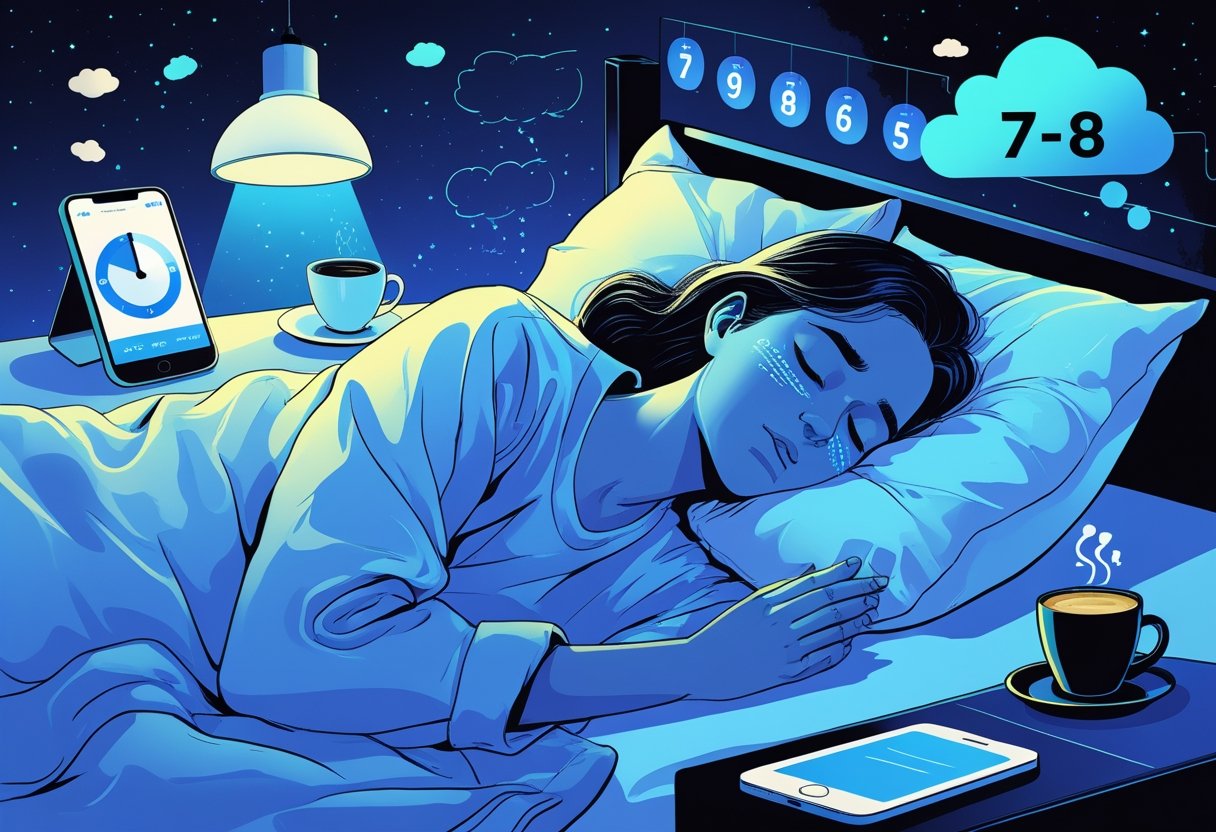
How we eat, drink, move, and set up our bedrooms all play a direct role in how well we rest at night. Small daily habits—like late-night snacking, screen use, or skipping exercise—add up and can cause ongoing tiredness even when we get enough hours of sleep.
Alcohol, Caffeine, and Eating Habits
Alcohol and caffeine both interfere with natural sleep cycles. While alcohol may make us drowsy at first, it disrupts deep sleep and fragments rest, leaving us groggy in the morning. Drinking alcohol within four hours of bedtime often leads to lighter, less restorative sleep.
Caffeine—found in coffee, tea, energy drinks, and chocolate—can linger in our system for up to six hours. Consuming it too close to bedtime delays the start of sleep and increases nighttime awakenings. To improve sleep health, it helps to limit caffeine after mid-afternoon and replace it with non-caffeinated drinks.
Eating a heavy meal before bed also affects rest. Our bodies work to digest food instead of relaxing, which can cause heartburn or discomfort. We should aim to finish eating at least two to three hours before sleep and keep evening snacks light. Balanced eating during the day supports stable energy levels and reduces nighttime hunger.
Physical Inactivity and Sedentary Behavior
Regular movement supports better sleep quality. When we sit for most of the day or avoid exercise, our bodies have less reason to enter deep, restorative sleep. Even short walks or stretching can make a difference in reducing daytime fatigue.
Physical inactivity often links to weight gain, which raises the risk of sleep apnea and other sleep disorders. These conditions fragment sleep and can cause morning exhaustion. Engaging in 30 minutes of moderate activity most days—like brisk walking or cycling—helps improve both metabolism and sleep rhythm.
It’s best to finish workouts at least a few hours before bedtime. Intense exercise too late in the evening can raise heart rate and body temperature, making it harder to fall asleep quickly.
Sleep Environment and Bedroom Setup
The sleep environment strongly affects rest quality. A comfortable mattress, supportive pillows, and a dark, quiet room help the brain recognize it’s time to wind down. Blackout curtains block unwanted light and noise, while a slightly cool temperature encourages deeper sleep.
Creating a bedtime routine also strengthens a healthy sleep schedule. Dimming lights, limiting screens, and using calming sounds like white noise prepare the brain for rest.
Keeping our bedroom free of clutter and distractions makes it easier to relax. When we protect our sleep space from disruptions—such as phones or bright alarms—we give our bodies the best chance for steady, refreshing sleep each night.
Frequently Asked Questions
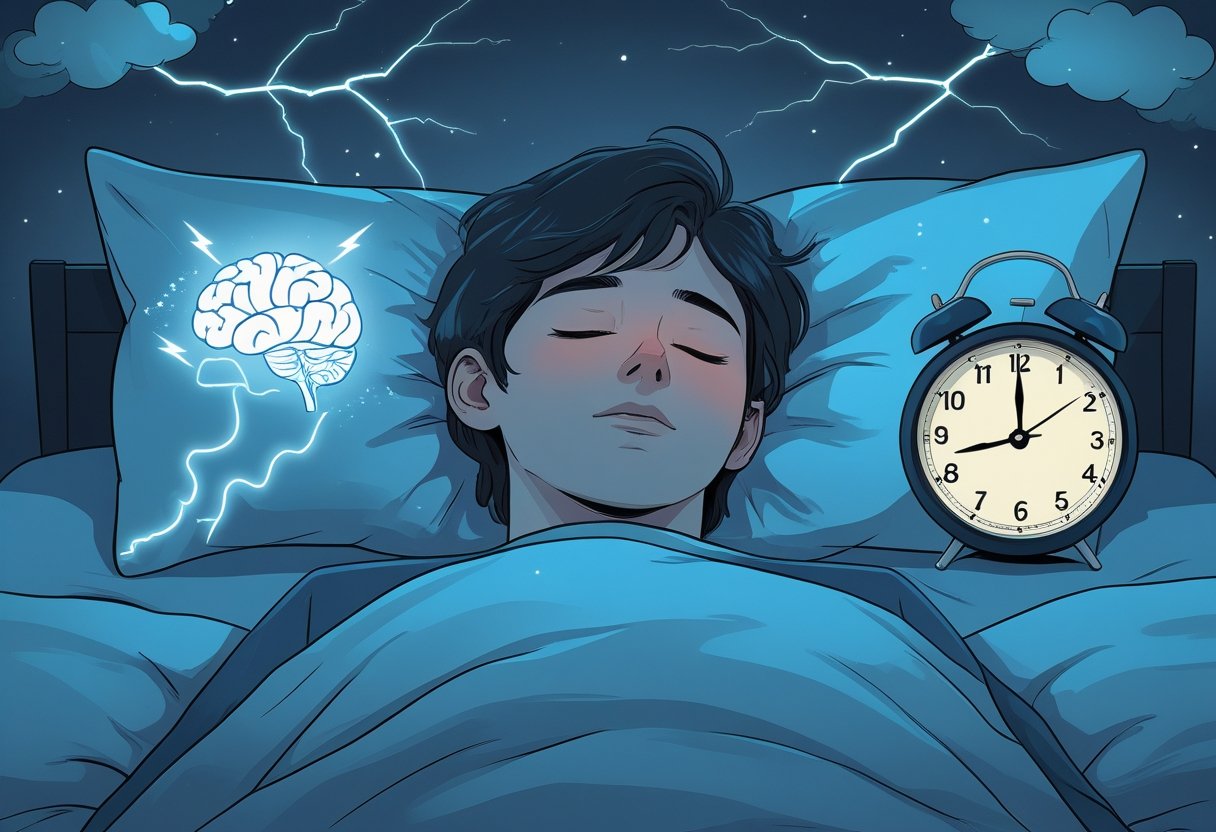
Fatigue after a full night’s rest can stem from issues with sleep transitions, poor-quality rest, health conditions, or daily habits. Understanding how physical, mental, and lifestyle factors interact helps us identify the real cause behind lingering tiredness.
What causes sleep inertia and how does it affect my energy levels?
Sleep inertia happens when we wake up suddenly from deep sleep phases. During this stage, brain activity and alertness remain low, so we feel groggy and slow. It usually fades within 30 to 60 minutes, but poor sleep quality or irregular sleep times can make it last longer.
Maintaining a consistent sleep schedule and avoiding abrupt awakenings can reduce sleep inertia and support smoother transitions into wakefulness.
Could there be underlying health conditions contributing to my fatigue despite sufficient sleep?
Yes. Disorders like sleep apnea, thyroid disease, anemia, and diabetes can all contribute to lingering tiredness. These conditions disrupt oxygen levels, hormone balance, or metabolism, preventing the body from recovering properly overnight.
If tiredness continues despite steady sleep habits, it’s best for us to check with a healthcare provider to rule out underlying medical problems.
How does the quality of sleep affect restfulness compared to the quantity?
Getting seven to eight hours of sleep doesn’t guarantee good rest if the sleep is fragmented. Frequent waking, discomfort, or environmental noise can destroy normal sleep cycles.
High-quality sleep includes enough deep and REM stages. These stages restore energy, help memory, and balance mood more effectively than light sleep alone.
Why do I feel more exhausted after sleeping for a long duration than a shorter one?
Oversleeping can disrupt the body’s internal clock and lead to a feeling similar to jet lag. Longer sleep may also signal an underlying condition such as depression, low thyroid activity, or poor-quality sleep throughout the night.
Our bodies function best with a consistent routine. Sleeping 10 or more hours regularly may reduce alertness instead of improving it.
What role does diet and exercise play in influencing post-sleep fatigue?
Meals high in sugar or heavy fats can interfere with metabolism and impact energy levels after waking. Drinking alcohol or caffeine too close to bedtime disrupts sleep cycles.
Regular exercise during the day improves sleep depth and energy levels, while late-night workouts might delay relaxation and rest. Balanced nutrition and moderate physical activity support better recovery overnight.
Are there any psychological factors that could explain why I'm still tired after a full night's sleep?
Stress, anxiety, and depression can make it harder for us to fall into deep, restorative sleep. Even if we sleep for the correct number of hours, mental strain keeps the brain more active throughout the night.
Managing stress through therapy, consistent routines, and relaxation techniques can help improve mental calmness and sleep quality.