
Taxifolin for Weight Loss: Efficacy, Mechanisms, and Safety Insights
|
|
Time to read 13 min
|
|
Time to read 13 min
Losing weight is tough for a lot of people. Finding safe, natural options that actually work long-term? That’s even harder.
Taxifolin, a flavonoid found in plants like Siberian larch and milk thistle, has been getting some buzz as a potential weight loss aid. In one recent clinical study, people who took 300 mg of taxifolin daily lost an average of 1.6 kg over about six months—compared to just 0.3 kg in those who skipped it.
This compound might work by activating brown fat tissue, so your body burns more calories. Taxifolin also seems to help keep cholesterol levels in check, which could play a role in its weight loss effects.
The study didn’t turn up any side effects, which is promising for safety. If you’re looking for a natural supplement to support weight loss, it’s worth understanding how taxifolin works and what the research actually says.
Taxifolin is a natural bioactive flavonoid found in various plants and trees. It acts as an antioxidant and belongs to a subclass called flavanonols.
Taxifolin is a type of polyphenol, part of the broader flavonoid family. These natural compounds pop up all over the plant kingdom and can have a bunch of effects in your body.
As a flavanonol, taxifolin sits between two other common flavonoid types in terms of structure. Your body processes it differently because of its unique molecular design.
It acts as an antioxidant, neutralizing free radicals and protecting your cells from oxidative stress. Taxifolin’s bioactive properties mean it can interact with your biological systems in noticeable ways.
Research shows it might influence metabolism, inflammation, and cellular function. Scientists are still figuring out all the ways it works in the body, but both lab and human studies have shown effects.
You’ll find taxifolin in several plants, but some have a lot more than others:
Primary sources:
Additional sources:
Siberian larch packs the biggest taxifolin punch. Most supplements use this tree as their source. You’d have to eat a ton of onions to get enough taxifolin, so concentrated supplements make sense.
Taxifolin is also called dihydroquercetin. Same thing, just a different name. The “dihydro” part shows its chemical relationship to quercetin.
Quercetin is a different flavonoid, but closely related. The main difference? Taxifolin has two extra hydrogen atoms in its structure, which changes how your body absorbs and uses it.
Both work as antioxidants, but they’re not identical. Taxifolin might be more stable in some situations and could have different bioavailability. If you see “dihydroquercetin” on a label, you’re looking at taxifolin under its other name.
Most of the research on taxifolin and weight management looks at its potential to help people lose weight naturally. One retrospective study tracked weight loss in patients who took taxifolin supplements for several months.
The main clinical study came from the National Cerebral and Cardiovascular Center in Japan. Researchers tracked 62 patients between January and July 2021, comparing those who took 300 mg of taxifolin daily (36 people) to those who didn’t (26 people).
Results? The taxifolin group lost an average of 1.6 kg, while the control group lost just 0.3 kg over about 176 days. That difference was statistically significant (p = 0.026).
This study used taxifolin tablets from Towa Pharmaceutical. Participants bought the supplement on their own after getting info about possible benefits. The study was observational, not a randomized controlled trial.
Linear regression analysis showed that long-term taxifolin use independently predicted greater weight loss, even after adjusting for age, sex, hypertension, diabetes, and medication use. The mean difference in weight change between groups was -1.52 kg (95% CI: -2.85 to -0.19).
BMI also dropped more in the taxifolin group. The BMI reduction was -0.61 versus -0.11 in the group that didn’t take taxifolin (p = 0.051).
Taxifolin users saw increases in HDL cholesterol, which lined up with weight loss. No one reported adverse events during the study.
Most participants were older adults, with an average age around 77 years in both groups. That’s notable, since losing weight typically gets harder as you age.
Taxifolin supplementation seemed to help older adults lose weight over six months. Both men and women saw similar benefits.
No side effects popped up in this older group, which is great since they often take several medications and face higher risks of drug interactions.
We recommend Sustained-Release Taxifolin from Endurance Products because it delivers this powerful antioxidant gradually over time, helping maintain steadier blood levels for longer-lasting support. Instead of the quick spike and drop you get with many standard capsules, the sustained-release design promotes better absorption, improved tolerance, and consistent benefits for metabolism, cardiovascular health, and cellular protection. Endurance Products is known for rigorous quality testing and clean formulations, making it a reliable choice if you want taxifolin that truly works — without unnecessary fillers or harsh additives.
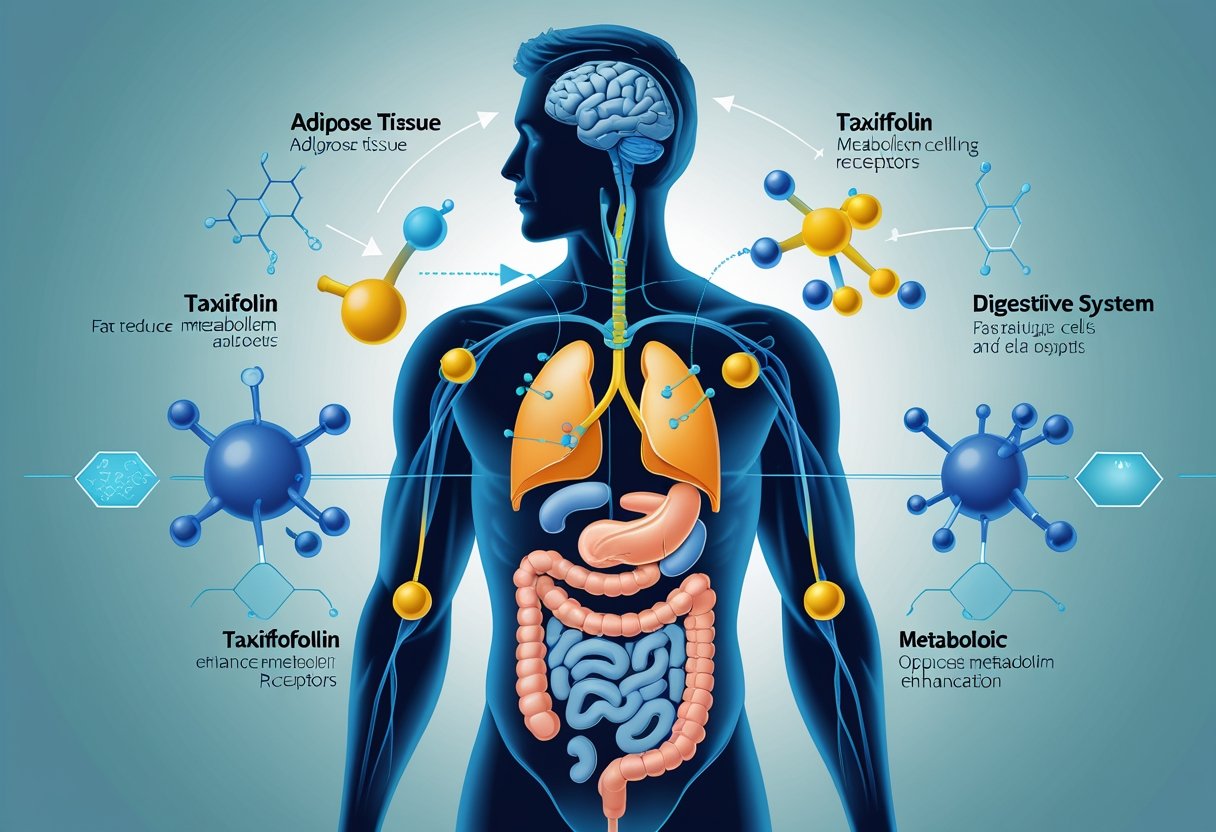
Taxifolin seems to impact body weight through several routes. It reduces oxidative stress and inflammation, boosts metabolic rate, activates brown fat, and improves markers like cholesterol and glucose metabolism.
Taxifolin acts as a strong antioxidant, protecting your cells from free radical damage. It neutralizes reactive oxygen species (ROS) and supports your body’s natural defenses, like glutathione and superoxide dismutase.
This helps maintain redox balance in your cells. Taxifolin also reduces inflammation by dialing down markers such as NF-κB and iNOS, which are often higher in people with obesity.
By lowering oxidative stress and inflammation, taxifolin might help tackle two root causes of weight gain and metabolic issues. Less stress and inflammation inside your body can make your metabolic processes work better.
Taxifolin may give your metabolism a boost by increasing energy expenditure and thermogenesis—the process where your body burns calories to make heat. Some research hints that taxifolin can ramp up this calorie-burning process.
It also seems to affect metabolic pathways tied to fat storage and breakdown. Taxifolin may block enzymes like diacylglycerol acyltransferase (DGAT) and microsomal triglyceride transfer protein (MTP), both of which help your body store fat.
Blocking these enzymes could mean you store less fat. A higher metabolic rate means you burn more calories, even at rest.
Brown fat is a special kind of fat that burns energy to produce heat. Unlike white fat, which stores energy, brown fat uses it up. Taxifolin may help activate your brown fat, increasing your daily calorie burn.
When brown fat kicks in, it burns through stored fat to make heat. This could help with fat loss and weight management.
People with more active brown fat usually have healthier body weights and better metabolic health. While activating brown fat is linked to more calorie burning, researchers still need to do more studies to see exactly how taxifolin affects brown fat in humans.
Taxifolin shows real promise for improving several key metabolic markers. Studies suggest it can help your lipid profile by influencing cholesterol levels.
It may boost HDL-C, or "good cholesterol," which helps clear other cholesterol from your bloodstream. Your glucose metabolism could also get a lift with taxifolin supplementation.
Better glucose control might prevent diabetes and support weight management. The compound seems to help keep blood sugar steady, which can cut cravings and help you feel more balanced throughout the day.
Taxifolin looks pretty safe in the research so far, with studies reporting very few side effects even with longer-term use. Clinical data suggests you can take it at recommended doses without major health worries.
Researchers have found taxifolin well-tolerated over several months. In a 2025 clinical study, patients took 300 mg daily for about 176 days and didn’t experience any adverse events.
This dose matches what most weight loss studies use. Human studies back up that taxifolin isn’t toxic over different timeframes.
Your body breaks it down into metabolites that you naturally eliminate. People have used the supplement in foods and therapies without significant safety warnings.
Long-term use doesn’t seem to damage organs or cause serious health issues. Still, it’s smart to check with your healthcare provider before starting a new supplement—especially if you’re on medication or have health conditions.
Clinical trials have reported very few side effects from taxifolin supplements. In the 2025 study, none of the 36 participants had any adverse events over nearly six months.
This suggests you can expect minimal side effects at standard doses. Unlike some weight loss drugs that cause digestive problems or heart issues, taxifolin doesn’t show these patterns in studies.
No research has reported severe allergic reactions, liver toxicity, or kidney problems from taxifolin use. Its plant origin, like from Siberian larch, might explain why it’s so well-tolerated compared to synthetic compounds.
Most of the evidence for taxifolin’s weight loss effects comes from small, retrospective, or observational studies. Larger, controlled trials need to confirm these results and help set dosing guidelines.
The main study on taxifolin for weight loss was a retrospective longitudinal study that followed 62 patients over about six months. This kind of observational research has its drawbacks.
Key limitations include:
The study relied on routine clinic visits, not controlled conditions. Patients bought taxifolin themselves after learning about it, so motivation and lifestyle changes could have affected results.
Preclinical animal studies looked promising, but there’s just not a lot of human data yet.
Researchers need randomized controlled trials with placebo groups to really test taxifolin’s effectiveness. These trials should include bigger, more diverse age groups and use standardized dosing.
A placebo-controlled design would remove bias from people knowing they’re taking an active supplement. Clinical trials should look at weight loss, metabolic markers, body composition, and long-term safety.
Longer monitoring across different populations would help confirm safety. Research should also test doses other than the 300 mg per day used so far, since different amounts might work better for some groups.
Taxifolin isn’t just about weight management—it offers broad protective effects for cardiovascular health, brain function, and liver support. That makes it attractive for folks dealing with metabolic health concerns or age-related issues.
Taxifolin brings a lot to the table for your heart and blood vessels. Research points to protective effects against cardiovascular disease through several mechanisms.
It acts as a strong antioxidant, reducing inflammation in blood vessels. This helps protect the lining of your arteries from damage.
Some studies indicate taxifolin may help regulate blood pressure. That’s a big deal for overall heart health.
Your cholesterol balance can benefit too. Taxifolin seems to help maintain healthy HDL cholesterol, which supports proper fat metabolism.
Its anti-inflammatory properties take some stress off your cardiovascular system. This could be useful for anyone at risk of heart problems or managing existing conditions.
Your brain gets some interesting protection from taxifolin. The compound shows promise for mild cognitive impairment and may even slow neurodegenerative disease progression.
Taxifolin reduces buildup of harmful proteins in the brain, including amyloid precursor protein (APP). When these accumulate, they can contribute to cognitive decline.
It also decreases caspase activation, so fewer brain cells die from stress or damage. Research suggests taxifolin helps maintain healthy blood flow to the brain, which means your neurons get the oxygen and nutrients they need.
The antioxidant effect protects neurons from oxidative stress. This may help preserve memory and thinking skills as you age. There are hints it could help with early Alzheimer’s, though more research is definitely needed.
Your liver also gets a boost from taxifolin. The compound supports your body’s metabolic processes and offers real hepatoprotective effects.
Taxifolin helps your liver process fats more efficiently, reducing fat buildup in liver cells—a common issue in metabolic disorders. It also protects liver cells from oxidative damage caused by poor diet or excess weight.
Taxifolin supports healthy insulin signaling and glucose metabolism, which is important for blood sugar regulation. That connects it to managing metabolic health beyond just weight.
Its anti-inflammatory effects extend to your liver tissue. Less inflammation means better liver function and improved detoxification. All of these support your overall metabolic health.
Taxifolin for Weight Loss looks promising, mainly through effects on metabolism and cholesterol. Research on dosing, food sources, and supplement options can help you decide if it’s worth trying.
Taxifolin may support weight loss by acting on brown adipose tissue and metabolism. Research suggests it can increase levels of uncoupling protein-1 and fibroblast growth factor 21 in brown fat, which helps your body burn more energy.
In one clinical study, people taking taxifolin lost an average of 1.6 kg over about 176 days, compared to 0.3 kg in those who didn’t take it. The supplement group also saw a bigger drop in BMI.
Taxifolin may help preserve HDL cholesterol during weight loss. In a study, those taking taxifolin maintained their HDL better than those who didn’t, and higher HDL levels were linked to more weight loss in the taxifolin group.
This flavonoid’s antioxidant and anti-inflammatory properties may support overall metabolic health. These effects could make it easier for your body to manage weight.
No adverse events were reported in the clinical study on taxifolin for weight loss. Participants took 300 mg daily for about six months without negative effects.
The study suggests taxifolin is a safe choice for long-term use in weight management. That said, the research involved a relatively small group of older adults.
Most safety data comes from short-term studies or animal research. We’ll need more research to fully understand the long-term safety of taxifolin supplements.
If you have health conditions or take medications, talk to your healthcare provider before starting taxifolin. This is especially important if you’re on drugs for diabetes, blood pressure, or cholesterol.
Taxifolin is also called dihydroquercetin, so it’s closely related to quercetin. The main difference is a slightly different chemical structure—taxifolin has a few extra hydrogen atoms.
Direct comparison studies are limited. Both are flavonoids and share antioxidant properties.
Taxifolin might be absorbed better than quercetin, which could make it more effective at lower doses. The clinical evidence for taxifolin’s weight loss effects is growing, while quercetin has been studied more broadly but with less focus on weight management.
The clinical study showing weight loss benefits used 300 mg of taxifolin per day. Participants took this dose for about six months to see measurable weight reduction.
Starting with 300 mg daily makes sense unless your healthcare provider says otherwise. This amount was both safe and effective in the research group.
Consistency matters more than the time of day you take it. Study participants kept up a daily routine throughout the observation period.
No official dosing guidelines exist yet because research is still new. Future studies might find the sweet spot for different populations or specific goals.
Taxifolin shows up naturally in a few plants, but honestly, it’s usually just in trace amounts. You’ll spot it in onions, milk thistle, and trees like larch or Douglas fir.
Some citrus fruits and berries have taxifolin mixed in with other flavonoids. These foods can support your overall health, though they probably don’t pack enough taxifolin for any real weight management boost.
To get the 300 mg dose researchers use in weight loss studies, you’d need to eat an unrealistic amount of these foods. Supplements might be the only practical way to reach those levels.
Start by looking for a supplement with 300 mg of taxifolin per serving. That's the dose researchers actually used when they saw changes in body weight and BMI.
Make sure the label lists taxifolin or dihydroquercetin as the active ingredient. Some brands toss in a mix of flavonoids, but not enough taxifolin to matter.
Pick supplements from companies that use third-party testing or have quality certifications. These checks give you a better shot at getting what's on the label.
Think about the form and other stuff in the supplement. The main study used tablets, but honestly, capsules should work too if the dose matches up.
Always scan the label for allergens or weird additives. Most people prefer pure taxifolin with as few extras as possible, but your needs might be different.